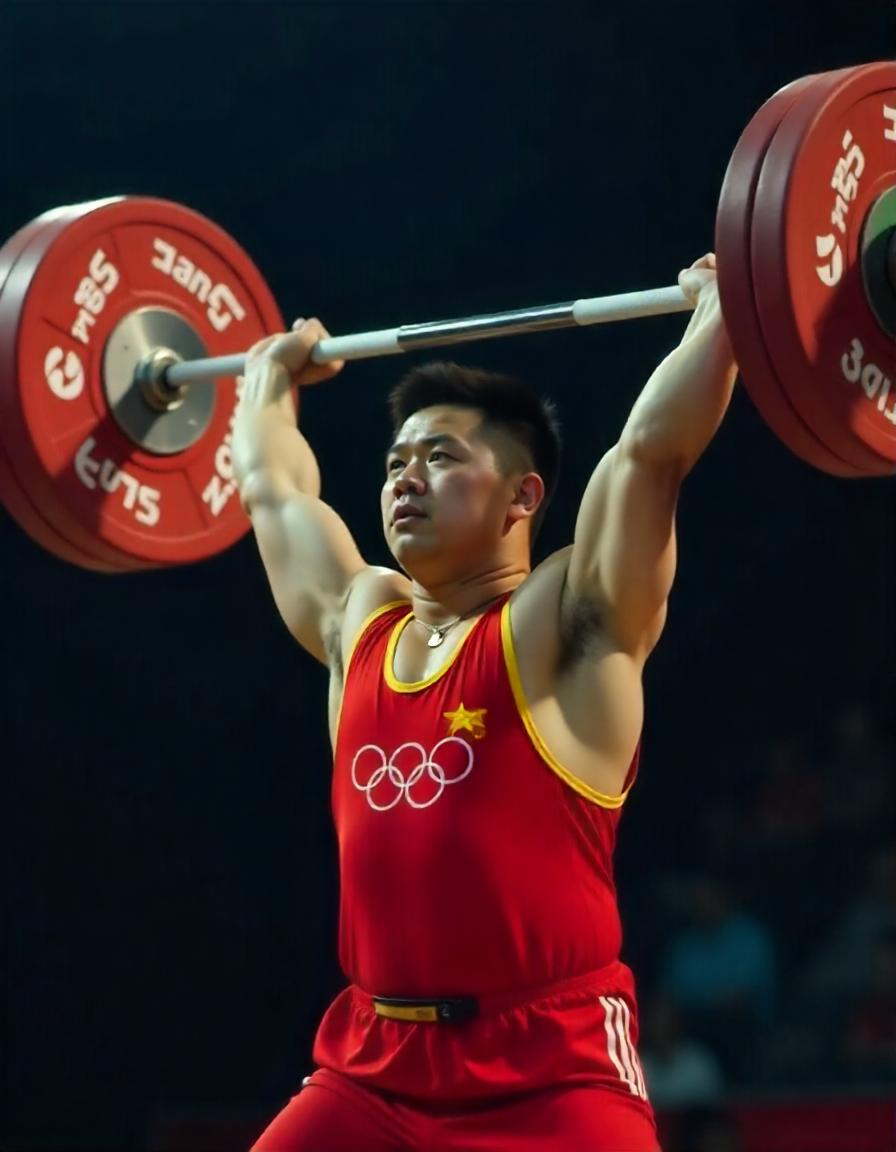
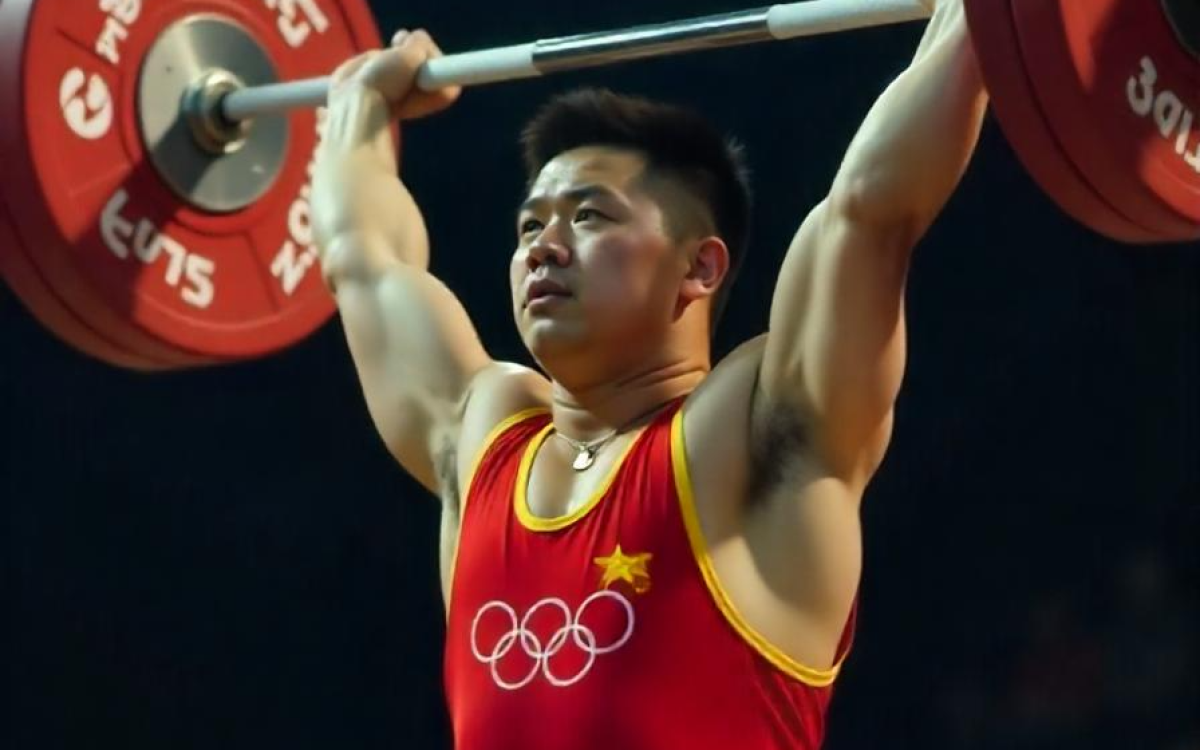
Mastering Olympic Weightlifting, Tips ,Training and Techniques
Olympic weightliftinghttps://mayan-shah1.dmlearning.in is not just about lifting heavy weights; it’s a sport that requires technique, speed, power, and precision. Unlike traditional weightlifting, Olympic lifting consists of two primary lifts: the snatch and the clean and jerk. These movements demand a combination of strength, mobility, and explosive power. Whether you’re a beginner or an experienced lifter looking to refine your skills, mastering Olympic weightlifting requires dedication and proper training strategies.
Understanding the Lifts
The Snatch – In this lift, the barbell is lifted from the ground to overhead in one fluid motion. It requires a combination of explosive power, flexibility, and stability.
The Clean and Jerk – This consists of two phases. First, the clean, where you lift the bar from the ground to your shoulders. Then, the jerk, where you push the bar overhead with a strong leg drive.
Both of these lifts are highly technical and require years of practice to perfect.
Key Components to Master Olympic Weightlifting
1. Focus on Technique Over Weight
Lifting heavier weights might seem tempting, but technique is king in Olympic lifting. Proper form ensures efficiency, prevents injury, and maximizes strength gains. Work with a coach or record your lifts to analyze and improve your form.
2. Develop Strength and Power
Olympic lifts are all about explosive power. Strengthening the legs, back, and shoulders is crucial. Incorporate exercises like:
Squats (front and back)
Deadlifts
Pull-ups
Pressing movements (strict press, push press)
Plyometric training (box jumps, sprints)
3. Improve Mobility and Flexibility
Tight muscles can hinder your lifting performance. Mobility work, especially in the hips, shoulders, and ankles, is essential. Spend time stretching, foam rolling, and performing dynamic warm-ups to enhance flexibility and range of motion.
4. Train with Proper Programming
A structured program focusing on progressive overload, skill work, and recovery is key. Balance your training days between strength-building, technique drills, and recovery sessions to avoid overtraining and injury.
5. Master the Pull and Catch
The pull phase in Olympic lifting is crucial. A strong first and second pull will determine the success of your lift. Likewise, learning how to receive the bar properly in the catch position (deep squat in snatch and front rack in clean) is vital for efficiency and safety.
6. Train Your Mindset
Olympic weightlifting is as much a mental challenge as a physical one. Confidence, patience, and focus play a huge role in lifting success. Visualization, breathing techniques, and mental rehearsal can help overcome barriers and improve performance.
Common Mistakes to Avoid
Rushing the lift – Speed is important, but trying to move too fast without control leads to mistakes.
Neglecting accessory work – Strength training, mobility, and stability exercises are essential for overall performance.
Skipping warm-ups – Always perform a proper warm-up to prepare your body for heavy lifts.
Ignoring recovery – Rest days, proper sleep, and nutrition are crucial for muscle growth and preventing injuries.
Final Thoughts
Mastering Olympic weightlifting takes time, effort, and consistency. By focusing on technique, strength, mobility, and mental resilience, you can improve your lifts and become a more efficient lifter. Whether you aim to compete or just enjoy the sport, Olympic lifting is a rewarding journey that enhances overall athleticism and strength.
Start with the basics, be patient, and keep progressing—one lift at a time!